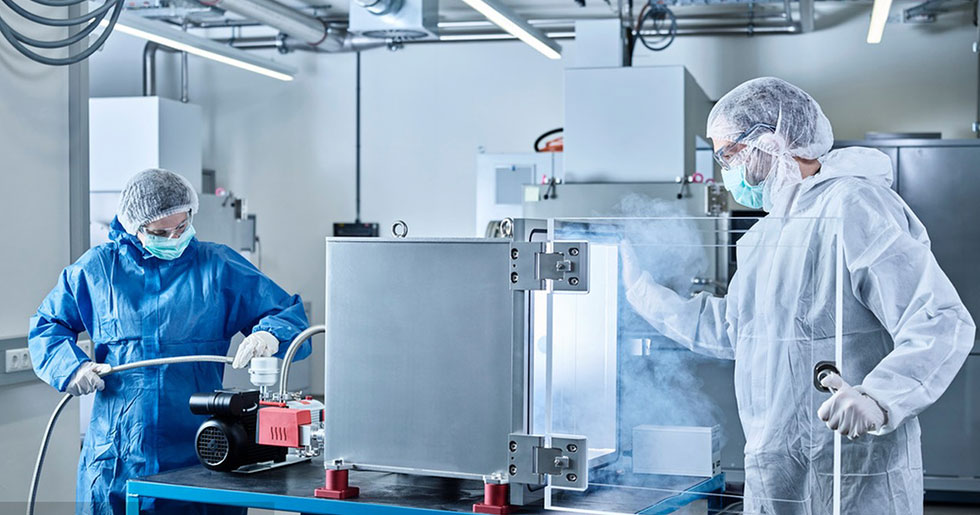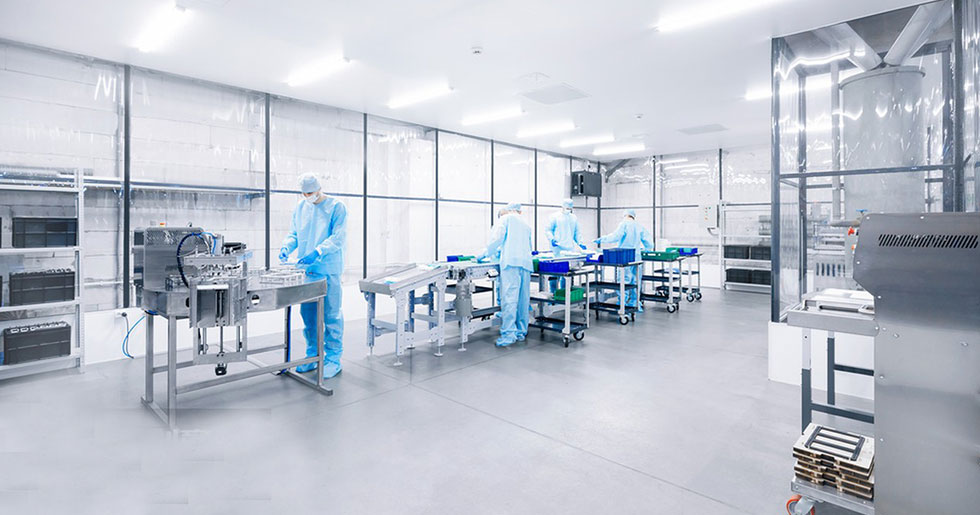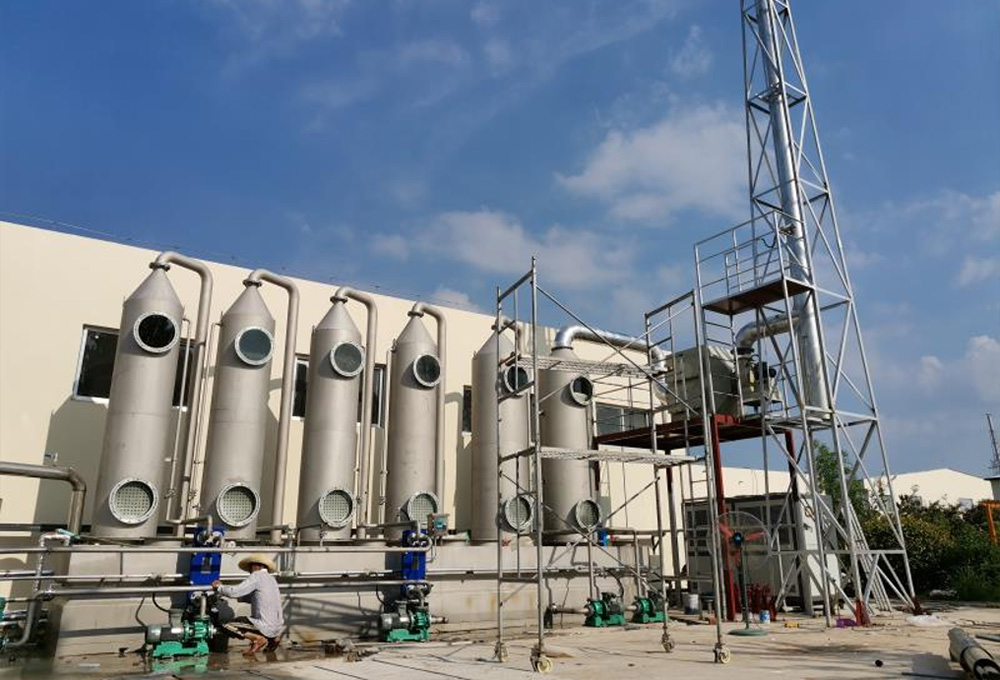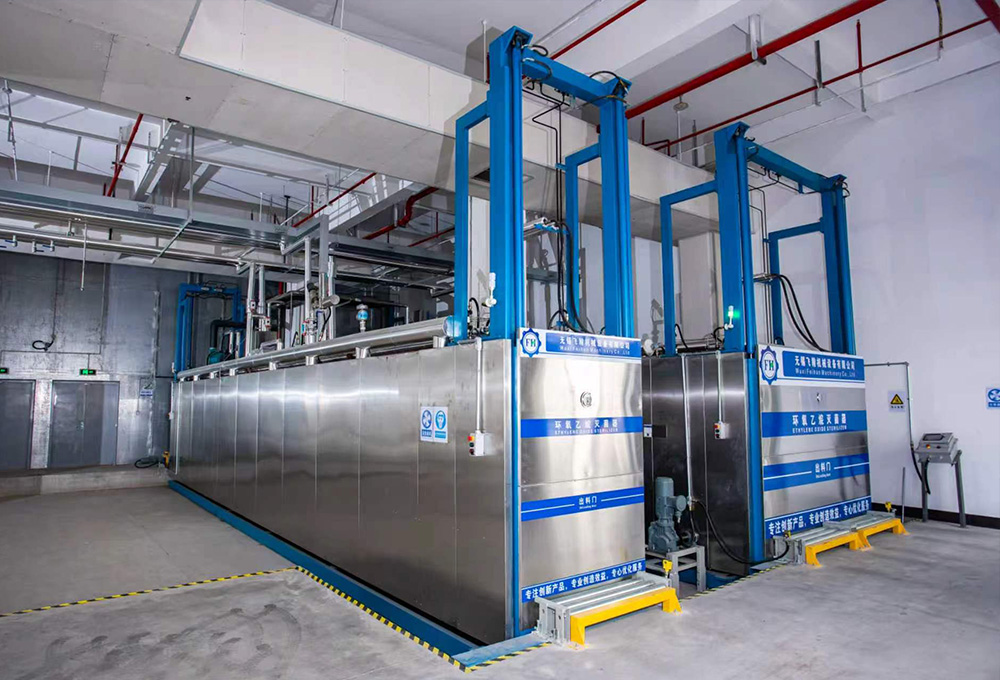
Ethylene oxide sterilization gas is the most commonly used sterilization method for low-temperature sterilization. Ethylene oxide sterilization is widely used in the field of medical device sterilization. Due to the active nature, strong bactericidal power, wide bactericidal spectrum, and minimal damage to objects of ethylene oxide gas, the mixture of ethylene oxide and carbon dioxide gas has become one of the most important daily low-temperature sterilization methods.
The main features of the Shuoshi ethylene oxide sterilizer are as follows:
1. International safety certification: The ethylene oxide sterilizer has excellent user safety usage records in the sales process in recent years.
2. Single dose sterilization gas cylinder: an independently packaged small dose ethylene oxide gas cylinder, matched with 5XL and 8XL for use, does not require additional connecting wires and filters, and can directly and safely release ethylene oxide gas into the sterilizer chamber. Before the sterilization program is truly started,3 can perform a self check on the sterilization conditions at that time. When the conditions are met, the sterilizer will automatically puncture the gas cylinder and release the sterilizing agent. At the end of the sterilization process, the gas cylinder and other sterilized items can be disposed of as ordinary medical waste after ventilation, which is convenient and safe.
3. Strong penetration performance: The penetration performance of sterilizing agents is crucial for the sterilization process, especially when dealing with complex medical devices. The boiling point of ethylene oxide is 10.7 ℃, and the vapor pressure is 1094mmHg/20 ℃. These physical properties enable ethylene oxide to have excellent penetration ability, effectively contacting every surface of the item to be sterilized, thereby inactivating microorganisms.
4. Excellent stability: Ethylene oxide gas molecules have good stability during the sterilization process. This ensures that the ethylene oxide gas does not decompose or degrade when penetrating the item to be sterilized, effectively maintaining the effective gas concentration on each surface to be sterilized, thereby guaranteeing the quality of sterilization.
5. Perfect quality control: The extensive use of ethylene oxide in medical institutions has a history of nearly fifty years. In this process, a wealth of experience has been accumulated in technology, and there are many innovations in quality monitoring and control. There is a mature and recognized sterilization quality monitoring system internationally.