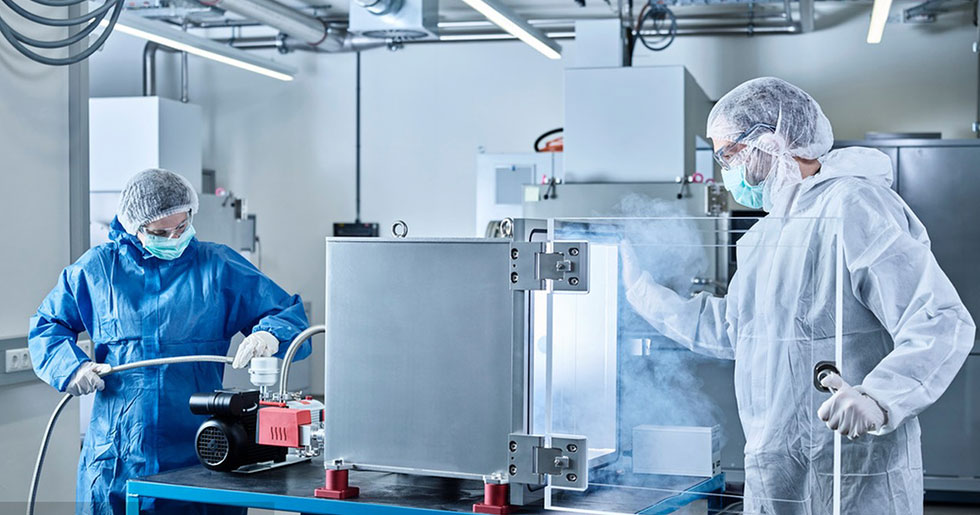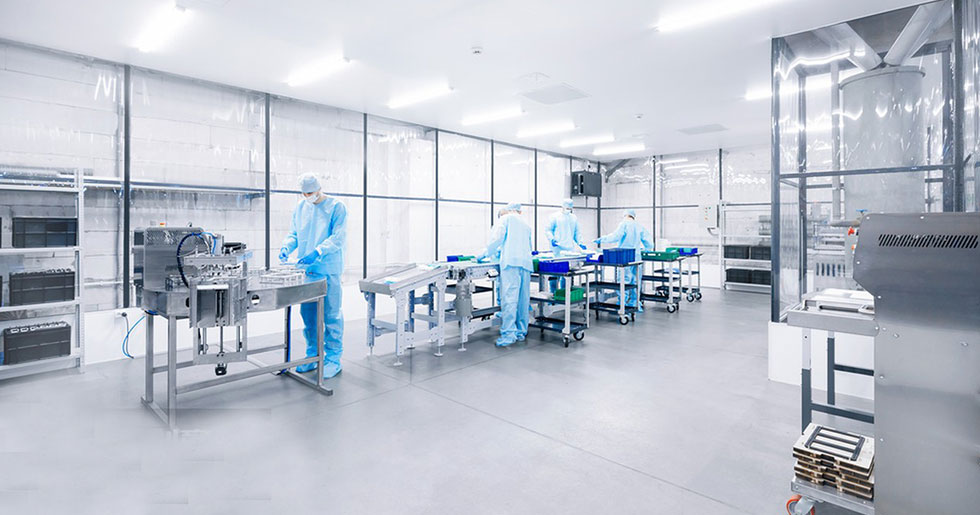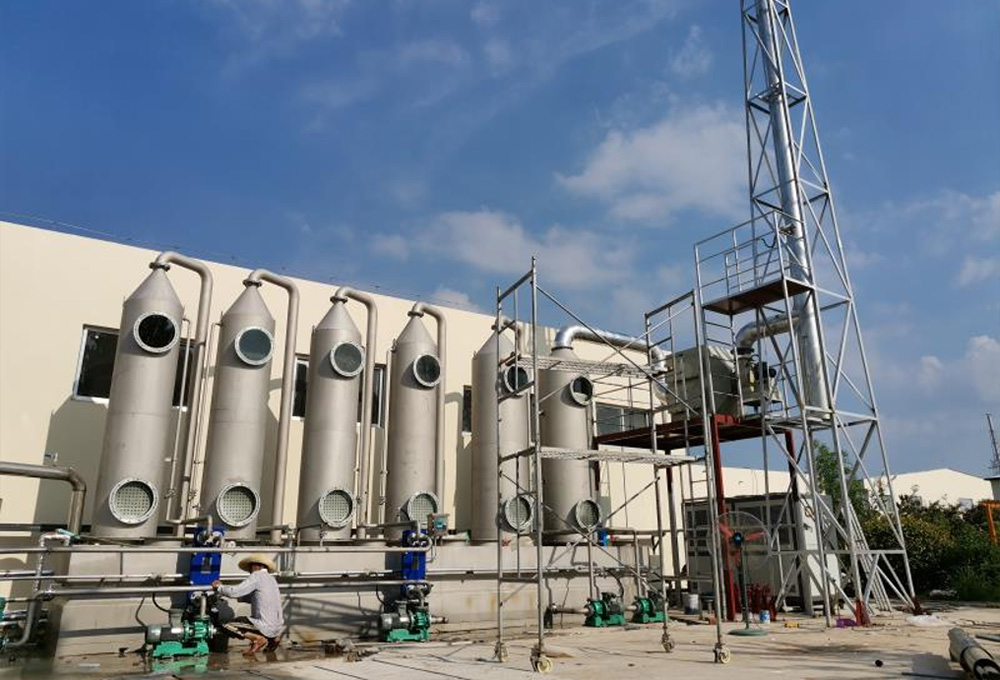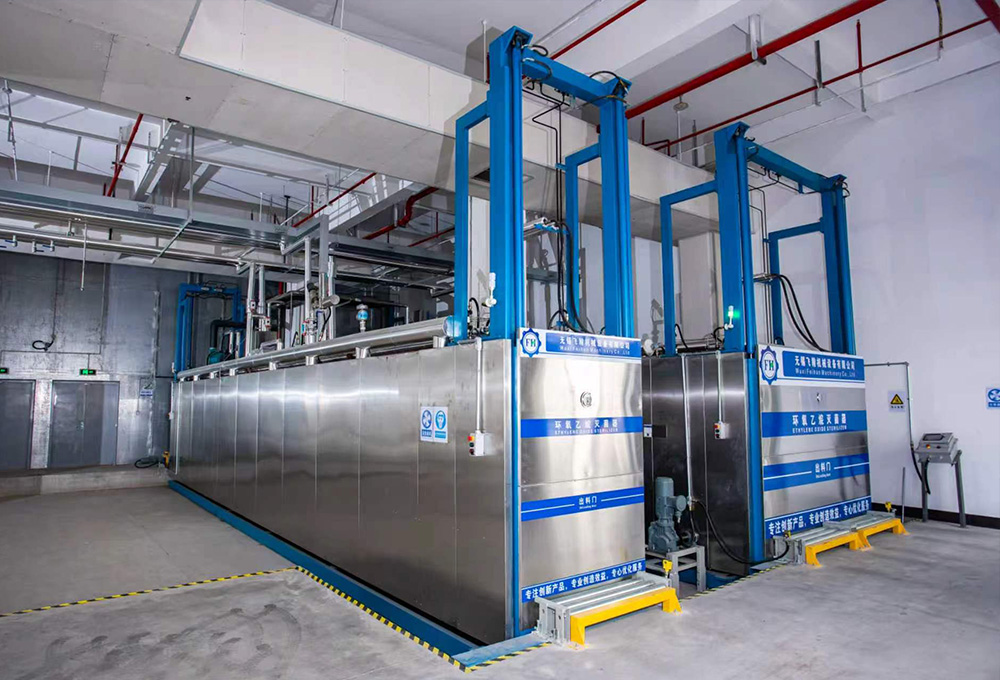
An ethylene oxide sterilizer is a specialized equipment that uses ethylene oxide gas to perform low-temperature fumigation sterilization on items enclosed in a sterilization chamber under certain temperature, pressure, and humidity conditions. It has the advantages of broad-spectrum sterilization, strong penetration (able to penetrate fabrics, cardboard boxes, and polyethylene films), thorough sterilization, no damage to items, and easy storage of sterilized items.
Ethylene oxide should be stored in a separate room. The room should have ventilation, explosion-proof, and fire-fighting facilities. Ethylene oxide steel cylinders should be stored in a cool, away from heat sources, and the storage temperature of ethylene oxide should be below 30 degrees Celsius. Epoxy ethane steel cylinders should have fixed brackets.
The use of sterilizers must be kept in good condition, especially the airtightness of electrical control cabinets and enclosures. If there is a malfunction during the use of the equipment, sterilization should be stopped immediately and the ethylene oxide inside the box should be evacuated. During ethylene oxide sterilization, the sterilization cabinet should be regularly leak tested. Troubleshooting should be carried out by operators and equipment professionals, who can refer to the maintenance and upkeep manual provided by the manufacturer. If the fault cannot be resolved, timely contact should be made with the manufacturer. Operators should dress neatly, wear protective gloves, and not wear shoes with nails.